
Experience Natural Healing with Medical Massage
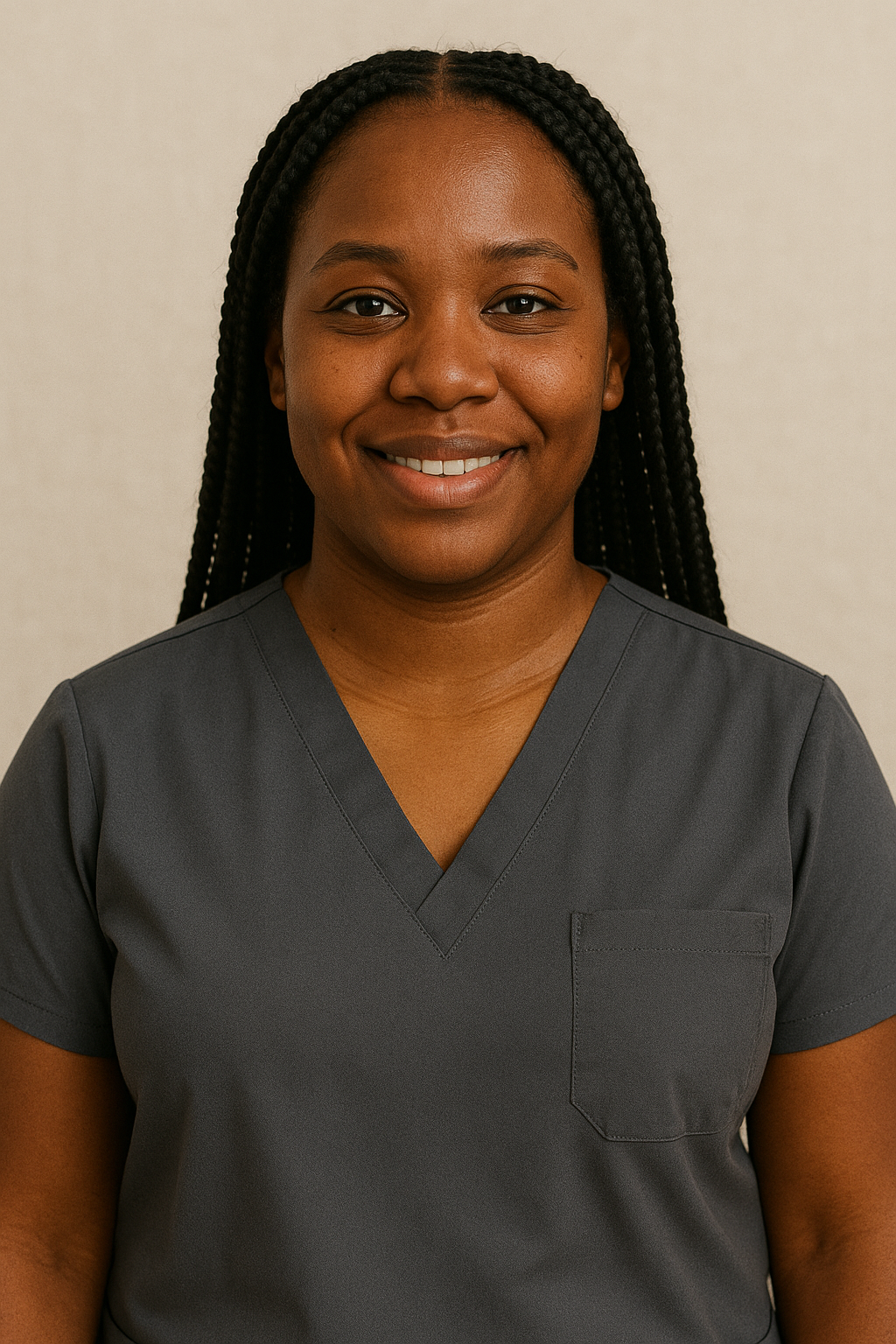
In a world where stress and physical discomfort are common, many people are seeking alternative methods to promote healing and well-being. One such method is medical massage, a therapeutic approach that combines traditional massage techniques with medical knowledge to address specific health issues. This blog post will explore the benefits of medical massage, how it works, and why it might be the right choice for you.

Understanding Medical Massage
Medical massage is not just a luxury; it is a therapeutic practice aimed at treating specific medical conditions. Unlike regular massage, which focuses primarily on relaxation, medical massage targets underlying issues such as chronic pain, muscle tension, and injury recovery.
What Sets Medical Massage Apart?
Targeted Treatment: Medical massage is tailored to the individual’s specific needs. Therapists assess the client’s condition and create a personalized treatment plan.
Integration with Medical Care: Medical massage often works in conjunction with other medical treatments. It can be part of a comprehensive care plan, enhancing the effectiveness of other therapies.
Evidence-Based Techniques: Therapists use techniques supported by research to address specific conditions, ensuring that the treatment is both effective and safe.
Benefits of Medical Massage
The benefits of medical massage are numerous and can significantly improve your quality of life. Here are some key advantages:
Pain Relief
Many individuals seek medical massage for pain relief. Conditions such as arthritis, fibromyalgia, and sports injuries can lead to chronic pain. Medical massage techniques can help reduce inflammation, improve circulation, and promote healing.
Stress Reduction
Stress is a common issue that affects both physical and mental health. Medical massage can help lower cortisol levels, the hormone associated with stress, leading to a more relaxed state. This can improve overall well-being and enhance mental clarity.
Improved Mobility
For those recovering from injuries or surgeries, medical massage can aid in restoring mobility. Techniques such as deep tissue massage and myofascial release can help break down scar tissue and improve flexibility.
Enhanced Circulation
Medical massage promotes better blood flow, which is essential for healing. Improved circulation can help deliver nutrients to tissues and remove waste products, speeding up recovery.
Support for Chronic Conditions
Individuals with chronic conditions such as migraines, back pain, or digestive issues can benefit from medical massage. By addressing the root causes of these conditions, therapists can help alleviate symptoms and improve overall health.
Techniques Used in Medical Massage
Medical massage incorporates a variety of techniques, each designed to address specific issues. Here are some commonly used methods:
Deep Tissue Massage
This technique focuses on the deeper layers of muscle and connective tissue. It is particularly effective for chronic pain and tension, as it targets knots and tight areas.
Trigger Point Therapy
Trigger points are tight areas within muscles that can cause pain in other parts of the body. Trigger point therapy involves applying pressure to these points to relieve pain and restore function.
Myofascial Release
This technique focuses on the fascia, the connective tissue surrounding muscles. Myofascial release helps to relieve tension and improve mobility by stretching and releasing tight fascia.
Swedish Massage
While primarily known for relaxation, Swedish massage techniques can also be adapted for therapeutic purposes. Gentle strokes and kneading can help improve circulation and reduce muscle tension.
Who Can Benefit from Medical Massage?
Medical massage is suitable for a wide range of individuals, including:
Athletes: To recover from injuries and improve performance.
Office Workers: To alleviate tension from prolonged sitting and poor posture.
Chronic Pain Sufferers: To manage conditions such as arthritis or fibromyalgia.
Individuals Recovering from Surgery: To enhance healing and restore mobility.
Finding a Qualified Medical Massage Therapist
When seeking medical massage, it is essential to find a qualified therapist. Here are some tips to help you choose the right professional:
Check Credentials
Ensure that the therapist is licensed and has received specialized training in medical massage techniques. Look for certifications from recognized organizations.
Read Reviews
Online reviews and testimonials can provide insight into the therapist’s skills and the experiences of previous clients.
Schedule a Consultation
Many therapists offer initial consultations. Use this opportunity to discuss your needs and ask questions about their approach to treatment.
Trust Your Instincts
Choose a therapist with whom you feel comfortable. A good rapport is essential for effective treatment.
What to Expect During a Medical Massage Session
Understanding what to expect can help ease any anxiety you may have about your first session. Here’s a general overview of a typical medical massage appointment:
Initial Assessment
The therapist will conduct an assessment to understand your medical history, current issues, and treatment goals. This may involve discussing your symptoms and any previous treatments.
Treatment Plan
Based on the assessment, the therapist will create a personalized treatment plan. This plan may include specific techniques and the frequency of sessions.
The Massage Session
During the session, you will be asked to lie down on a massage table. The therapist will use various techniques to address your specific needs. Communication is key, so don’t hesitate to provide feedback on pressure and comfort levels.
Post-Treatment Recommendations
After the session, the therapist may offer recommendations for self-care, such as stretches or exercises to enhance the benefits of the massage.
The Role of Medical Massage in Holistic Health
Medical massage is an integral part of a holistic approach to health. It recognizes the interconnectedness of the body, mind, and spirit. By addressing physical ailments, medical massage can also promote emotional and mental well-being.
Complementary Therapies
Consider integrating medical massage with other holistic therapies, such as acupuncture, yoga, or nutritional counseling. This comprehensive approach can enhance overall health and well-being.
Mindfulness and Relaxation
Incorporating mindfulness practices, such as meditation or deep breathing, can further enhance the benefits of medical massage. These practices can help you remain present during your sessions and promote relaxation.
Conclusion
Medical massage offers a natural and effective way to promote healing and well-being. Whether you are dealing with chronic pain, recovering from an injury, or simply seeking relaxation, medical massage can provide significant benefits. By understanding the techniques, benefits, and how to find a qualified therapist, you can take the first step towards a healthier, more balanced life.
Consider scheduling a session today and experience the transformative power of medical massage for yourself. Your body and mind will thank you.


Comments